Same Grape, Three Visions: How American Boutique Winemakers Transform a Single Harvest Into Entirely Different Wines

Photo: winemaker pouring red wine in barrel cellar boutique winery, via fr.web.img4.acsta.net
There is a persistent and understandable tendency among wine drinkers to credit the land for everything. Terroir — that untranslatable French concept encompassing soil composition, climate, elevation, and aspect — has become the dominant vocabulary of fine wine appreciation, and rightly so. Geography matters enormously. But spend a harvest season moving between wineries that share a grape variety and a growing region, and a second truth asserts itself with equal force: the winemaker's hand is just as consequential as the vineyard beneath their feet.
To illustrate this, consider what happens when Pinot Noir — one of America's most expressive and temperamental red varieties — travels through three distinct production philosophies at three boutique American wineries during the same vintage year. The grapes may share a common heritage, but the wines that emerge are shaped by choices made at nearly every hour of the process.
First Stop: A Minimalist Approach in Oregon's Willamette Valley
The harvest crew at a small family estate in the Chehalem Mountains AVA begins picking in the early morning, when temperatures are still low enough to preserve the aromatic compounds in the fruit. The winemaker here — a former chef turned viticulturist who spent years working harvests in Burgundy — subscribes to what practitioners often call a "hands-off" philosophy, though that term undersells the precision it actually requires.
The fruit is sorted twice: once in the vineyard, where any compromised clusters are left behind, and again on a sorting table at the winery. From there, a portion of the whole clusters — stems and all — goes directly into open-top fermenters without destemming. This choice is deliberate. Whole-cluster fermentation introduces a structural quality to the wine, a kind of savory tension that the winemaker describes as "the skeleton the fruit hangs on."
Fermentation here proceeds with native yeasts, the wild microorganisms that cling to grape skins and float through the cellar air. This is a slower, less predictable process than inoculating with commercial yeast strains, and it demands constant attention. Temperatures are managed carefully, and the cap of grape skins that rises to the surface during fermentation is punched down by hand twice daily — a physically demanding ritual that gently integrates solids and liquid without excessive extraction.
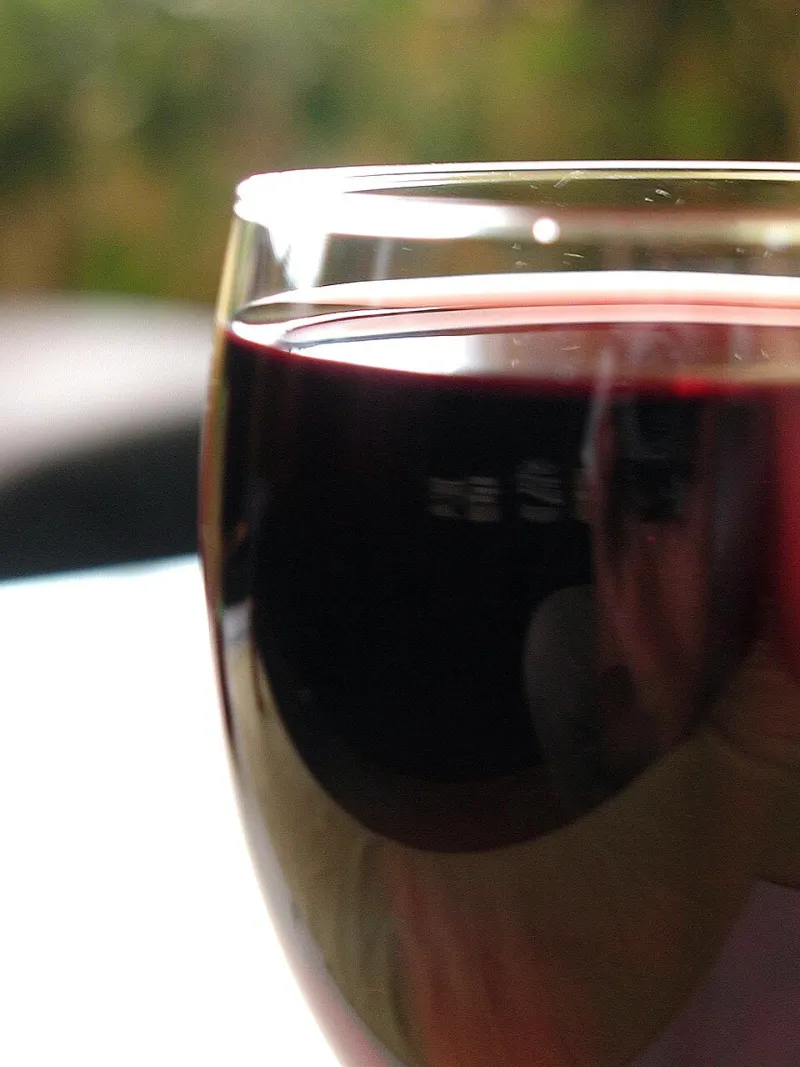
After pressing, the wine moves to barrel — a mixture of older French oak and new — where it rests for sixteen months without fining or filtration. The result is a wine of notable transparency: pale garnet in the glass, with aromas of dried rose, forest floor, and tart cherry that speak unmistakably of its Willamette Valley origins. Tannins are fine-grained and the finish lingers with a mineral persistence that the winemaker attributes, with evident satisfaction, to doing as little as possible.
Second Stop: Structured Intervention in California's Sonoma Coast
Several hundred miles south, along the fog-laced ridgelines of the Sonoma Coast, a different set of decisions is unfolding. The winemaker at this second boutique estate came to wine through chemistry and has spent two decades refining a philosophy that prizes structure, consistency, and what she calls "a wine that rewards patience."
Here, the Pinot Noir is fully destemmed before fermentation — a choice that removes the tannic contribution of stems and produces a fruit-forward, rounder profile from the outset. The winemaker inoculates with a selected commercial yeast strain known for its ability to highlight red berry character while maintaining aromatic clarity. This is not a shortcut; it is a preference for predictability in service of a specific stylistic goal.
Cold soaking — holding the crushed fruit at low temperatures before fermentation begins — extends skin contact and deepens color extraction without the heat that active fermentation generates. When fermentation does begin, it is managed with pumpovers rather than punch-downs, a gentler circulation technique that produces a softer, more integrated texture.
Aging happens in a higher proportion of new French oak barrels than at the Oregon estate, and the wine spends an additional four months in barrel before bottling. The oak influence is perceptible but carefully calibrated — a backdrop of vanilla and baking spice that frames rather than dominates the fruit. This Pinot Noir is darker in color, more generous in body, and more immediately approachable than its northern counterpart. It is a wine built for the dinner table, its winemaker suggests, designed to flatter food rather than demand contemplation on its own terms.
Third Stop: A Radical Departure in New York's Finger Lakes
The third winery in this vintage journey occupies entirely different terrain — geographically and philosophically. On a steep lakeside slope above Seneca Lake in the Finger Lakes AVA, a winemaker who trained in both conventional and biodynamic traditions is producing a Pinot Noir that challenges virtually every assumption the previous two estates hold dear.
The estate farms biodynamically, following a calendar that ties vineyard and cellar work to lunar and cosmic cycles. Whether one accepts the underlying cosmology or not, the practical results — exceptional vine health, expressive fruit, and soils teeming with microbial activity — are difficult to dismiss. The harvest here is timed not only by sugar levels and acidity but by the winemaker's reading of the fruit's aromatic readiness, a judgment developed over years of close observation.
Fermentation takes place in large clay amphorae — an ancient vessel that has enjoyed a significant revival among progressive winemakers — rather than in stainless steel tanks or oak barrels. Clay is porous enough to permit micro-oxygenation while remaining neutral in flavor, allowing the wine to develop complexity without any aromatic contribution from the vessel itself. The fermentation is entirely native, unhurried, and concludes on its own schedule.
The finished wine spends time on its lees — the spent yeast cells remaining after fermentation — which imparts a subtle creaminess and textural depth before the wine is bottled, again without filtration. The result is a Pinot Noir unlike either of its counterparts: lighter in body than the Sonoma Coast wine, more structured than the Willamette Valley bottling, with a distinctive tension between ripe red fruit and a cool, almost saline minerality that reflects the lake's moderating influence on the surrounding slopes.
What Three Bottles Reveal About the Craft
Set these three wines side by side — as this exercise invites — and the diversity is striking. They share a variety, a vintage year, and a commitment to quality. Beyond that, they are expressions of three distinct human intelligences applied to the same raw material.
The Willamette Valley wine asks for quiet and attention. The Sonoma Coast bottle rewards an evening meal and good company. The Finger Lakes expression provokes conversation and a desire to understand the place that produced it. None of these outcomes was accidental. Each emerged from an accumulation of decisions — about when to pick, how to ferment, what vessel to age in, when to bottle — that reflect the winemaker's values, training, and vision as surely as the vineyard reflects its geography.
For the wine enthusiast, this is not a reason to discount terroir. It is an invitation to appreciate that the story inside every bottle is always a collaboration: between a place and the person who chose to listen to it carefully.