Labels Off, Truth On: How Blind Tastings Are Reshaping the Way Serious Collectors Understand Wine
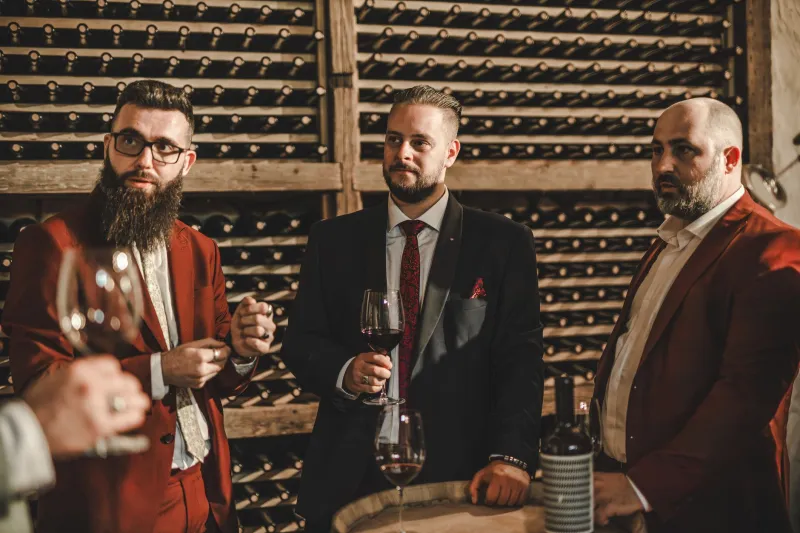
There is a particular kind of humility required to sit down in front of a glass of wine and admit you have no idea what you are drinking. For many enthusiasts, that admission feels uncomfortable—even threatening. Years of study, thousands of dollars spent, and a carefully curated cellar seem to demand certainty. And yet, a growing community of serious collectors across the United States is voluntarily surrendering that certainty, one covered bottle at a time.
Blind tasting, long considered the domain of Master Sommeliers and competitive circuits, has quietly migrated into private dining rooms, suburban kitchens, and home cellars from Sonoma to Charleston. What collectors are discovering there is frequently surprising, occasionally humbling, and almost always illuminating.
The Bias We Bring to Every Bottle
Before the first sip is taken, most of us have already formed an opinion. A prestigious appellation, a recognizable producer name, a vintage year tied to favorable reviews—these details arrive before the wine does, shaping our expectations and, research consistently suggests, our actual perception of flavor.
This phenomenon is not merely anecdotal. Studies in sensory psychology have demonstrated that knowledge of a wine's price or origin can measurably alter how tasters describe and evaluate it. A wine presented as expensive is frequently rated higher than the identical wine presented without price information. The label, in other words, is doing a significant portion of the tasting for us.
"I spent years thinking I loved a particular Napa Cabernet producer above all others," says Marcus Delray, a home collector based in Denver who has been organizing monthly blind tastings with a rotating group of friends for the past four years. "The first time I tasted it blind alongside wines from smaller California producers and a few from Washington State, I ranked it fourth out of six. That result genuinely changed how I think about my own preferences—and how I spend my cellar budget."
What Sommeliers Know That Most Collectors Don't
For professional sommeliers, blind tasting is less a revelation than a discipline—something practiced with the same regularity and intentionality as a musician running scales. The goal is not to guess the wine correctly, though that is certainly part of the exercise. The deeper purpose is to build a vocabulary of genuine sensory experience uncoupled from expectation.
"When you taste blind, you are forced to articulate what is actually in the glass," explains Elena Voss, a certified sommelier who conducts private tasting education sessions throughout the Mid-Atlantic region. "You can't fall back on what the vintage report said or what the critic scored it. You have to ask yourself: is this wine giving me tension or weight? Freshness or richness? And then you have to trust your answer."
Voss frequently introduces her clients—many of them established collectors—to blind tasting as a corrective exercise. "The most common discovery," she notes, "is that people have been buying reputation rather than pleasure. They find wines they genuinely love at a fraction of what they've been spending, and wines they've been reverently cellaring that don't actually move them."
The Surprising Discoveries Behind the Paper Bag
The revelations that emerge from blind tastings tend to cluster around a few recurring themes. Regional assumptions collapse with notable frequency. Collectors who believed themselves committed to Old World styles often find themselves drawn to well-crafted American expressions when the geographic clues are removed. Conversely, those who dismiss domestic wines as lacking complexity sometimes encounter a Willamette Valley Pinot Noir or a Finger Lakes Riesling that quietly dismantles their certainty.
Varietal preconceptions similarly dissolve. A collector who insists she dislikes Merlot may find herself praising the very grape when it arrives without introduction. Someone convinced that only aged wines offer genuine interest may discover that a young, vibrant bottling outperforms a decade-old counterpart in pure sensory engagement.
These moments of dissonance, while occasionally deflating to the ego, represent the most valuable currency blind tasting offers: honest feedback about what a palate actually responds to, independent of what it believes it should respond to.
How to Organize a Meaningful Blind Tasting at Home
The mechanics of a home blind tasting require minimal investment but benefit enormously from thoughtful structure. A few principles separate productive sessions from casual guessing games.
Choose a focused theme. The most instructive tastings compare wines within a defined framework—the same grape across different American regions, for instance, or the same appellation across several vintages. Open-ended lineups can be entertaining, but focused comparisons yield more actionable insight.
Enlist a neutral organizer. One participant should prepare and cover the bottles, keeping a written key that is revealed only after scores and notes have been recorded. Brown paper bags, aluminum foil, or purpose-built wine sleeves all serve this function adequately.
Taste before you discuss. Conversation is the enemy of independent assessment. Ask each participant to write individual notes and assign scores before any discussion begins. The divergence in those independent assessments is frequently as instructive as the wines themselves.
Record everything. Keep a tasting journal, even a simple one. Over time, patterns emerge: the structural elements you consistently favor, the styles that disappoint regardless of pedigree, the regions that deliver value relative to your palate's preferences. This accumulated record becomes a genuinely personalized guide to building a cellar.
Reveal thoughtfully. The unmasking moment carries real emotional weight. Allow space for reactions before moving into analysis. Some of the most productive conversations in collector circles begin with the words, "I cannot believe that was the wine I ranked last."
A Practice Worth Making Regular
What distinguishes collectors who use blind tasting as a genuine tool from those who treat it as an occasional novelty is consistency. A single session produces a data point. A monthly practice over several years produces something far more valuable: a refined, self-aware palate that purchases with confidence rather than deference.
The wine industry, for all its genuine expertise, has a vested interest in the authority of labels, scores, and appellations. None of those things are without value. But they are most useful when they supplement direct sensory experience rather than replace it.
The cellar, after all, is ultimately a personal document—a record of what moves you, what rewards patience, and what genuinely belongs in your glass. Blind tasting is simply the most honest way to write it.