When the Sky Decides: How Vintage Variation Shapes the Soul of American Wine
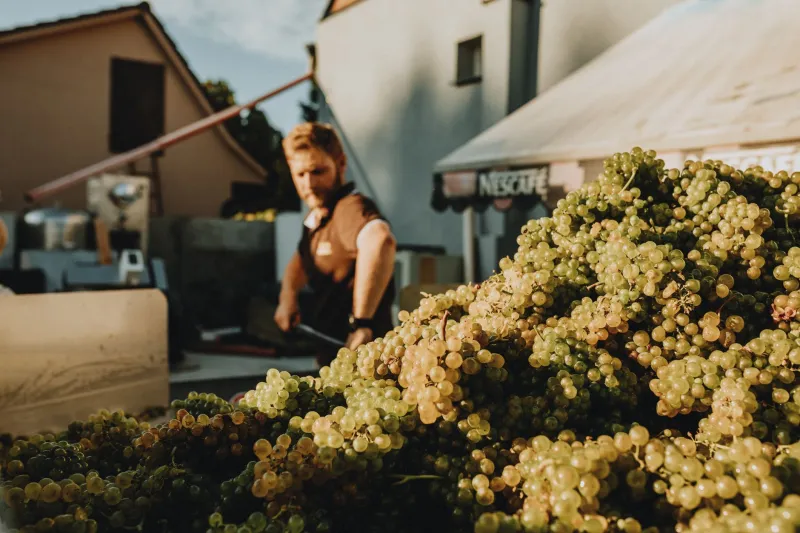
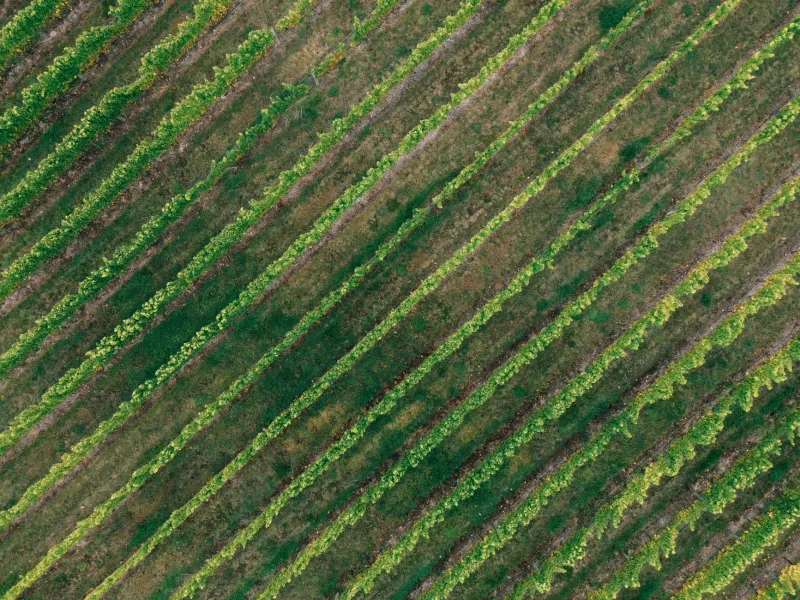
There is a quiet tension that settles over every vineyard sometime in late summer. The grapes hang heavy on the vine, the winemaker watches the sky with practiced unease, and the entire year's labor hangs in a delicate balance between ripeness and ruin. This is the essence of vintage variation — the annual reminder that wine, for all its refinement, begins in the dirt and ends at the mercy of weather.
For the serious wine enthusiast, understanding what a vintage year actually represents transforms the act of opening a bottle into something far richer than simple consumption. It becomes a conversation with a specific moment in time, a year when the sun fell at a particular angle, when rain arrived — or refused to — at precisely the wrong moment, and when a winemaker made dozens of consequential decisions with imperfect information.
What a Vintage Year Actually Measures
At its most fundamental level, a vintage year is simply the year in which a wine's grapes were harvested. But that single number encodes an enormous amount of information. It speaks to the cumulative effect of winter dormancy conditions, spring budbreak timing, summer heat accumulation, and the critical final weeks before harvest when sugar, acid, and phenolic ripeness converge — or fail to.
In California's storied wine regions, vintages are shaped by the Pacific's mood. A strong marine influence during the growing season can extend hang time beautifully, preserving acidity and allowing gradual flavor development. Conversely, an unexpected heat spike in September can accelerate ripening so rapidly that winemakers must harvest entire blocks within days, compressing their timelines and forcing difficult compromises.
Oregon's Willamette Valley presents a different kind of drama. Pinot Noir, the region's signature grape, is notoriously sensitive to autumn rainfall. Years when the rains hold off — as they famously did in 2014 and 2019 — produce wines of extraordinary depth and structural precision. Years when October arrives early and wet force producers to make agonizing decisions about when to pick, trading potential complexity for the safety of sound fruit.
The Anatomy of a Legendary Vintage
Certain years enter the collective memory of American wine culture as touchstones. California's 2013 vintage produced Cabernet Sauvignons from Napa Valley that critics continue to revisit with reverence — a long, even growing season delivered fruit of exceptional concentration and natural balance, requiring relatively little intervention in the cellar. Washington State's 2014 produced Syrahs and Cabernet Francs that showcased the Columbia Valley at something approaching its theoretical ideal.
What these celebrated years share is not perfection in the meteorological sense, but rather a kind of coherence. The vines experienced stress at the right moments — moderate water deficit encouraging deep root development and concentrated flavors — and relief at the right moments. The result is wines that seem to tell a complete story, where no single element overwhelms the others.
Legendary vintages also tend to be generous with the winemaker. When nature delivers balanced, healthy fruit, the cellar's role shifts from problem-solving to stewardship. Adjustments are minimal. The winemaker's primary task becomes preservation rather than correction, and the wines that emerge carry an authenticity that is palpable in the glass.
The Paradox of Difficult Years
Here is where the story becomes genuinely interesting. The vintages that test a winemaker's resolve — the wet years, the early-frost years, the years punctuated by wildfire smoke or relentless heat events — do not always produce forgettable wine. Quite the opposite. Adversity, when met with skill and experience, frequently generates bottles of surprising character.
Consider the psychological and technical demands of a difficult harvest. A winemaker facing uneven ripeness across a single vineyard block must make granular decisions: harvesting one section early to preserve acidity, allowing another to hang longer for phenolic development, perhaps employing sorting tables with unusual rigor to eliminate compromised fruit. These constraints force creativity. They demand that a producer understand their vineyard at a level of intimacy that favorable years never require.
Some of the most discussed American wines in recent memory have emerged from precisely these circumstances. Producers who farmed organically or biodynamically and therefore could not rely on chemical intervention found themselves returning to older, more observational approaches to viticulture — walking rows daily, tasting berries compulsively, trusting accumulated knowledge over standardized protocols. The resulting wines often carry a kind of earned complexity that their more effortless counterparts simply cannot replicate.
How to Evaluate Wine with Vintage Context in Mind
For the consumer standing in a wine shop or scanning a restaurant list, vintage awareness offers a meaningful advantage — not as a gatekeeping mechanism, but as a framework for expectation and appreciation.
A few practical principles are worth internalizing. First, vintage charts, while useful as general guides, are blunt instruments. A producer who farmed exceptionally well in a difficult year may outperform peers who coasted through an easy one. Regional averages obscure site-specific realities; a hillside vineyard with excellent drainage may have thrived in a year when valley-floor producers struggled with waterlogged soils.
Second, understanding the character of a vintage helps calibrate when to open a bottle. Wines from warmer, riper years often drink accessibly young but may evolve more quickly. Wines from cooler, more structured vintages frequently require patience — they present austerely in youth but reward cellaring with layers of complexity that riper years cannot always sustain.
Third, and perhaps most valuably, approaching a challenging vintage with curiosity rather than skepticism often yields genuine discovery. The bottle from a year everyone dismissed may, in the right producer's hands, offer something more intellectually engaging than the universally praised vintage sitting beside it.
The Winemaker's Ongoing Negotiation
At Greenwood Winery, we believe that every bottle carries a story worth understanding — and vintage character is among the most compelling chapters of that story. The winemaker's craft is not the imposition of a fixed vision upon raw material; it is an ongoing negotiation with conditions that change every year, sometimes every week, sometimes every hour.
When you open a wine and pause to consider the year on the label, you are acknowledging that negotiation. You are recognizing that somewhere behind the glass, a person stood in a vineyard and made decisions under uncertainty, guided by experience, intuition, and an abiding respect for what the land was offering that particular season.
That is, ultimately, what makes vintage variation not a flaw in wine's character but its most human quality. The sky decides much, but the winemaker decides the rest — and in that collaboration between nature and craft, the most memorable bottles are born.