Time in the Bottle: How Patience Unlocks the Hidden Complexity of America's Finest Wines

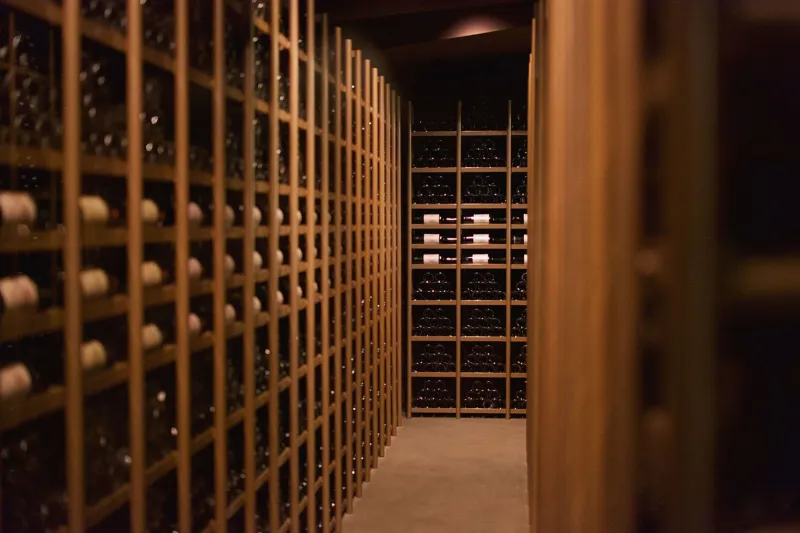
Photo by Photo by Karim Ben Van on Unsplash on Unsplash
There is a particular kind of frustration known well to serious wine collectors: you open a bottle at precisely the wrong moment. Perhaps it is too young — grippy and unresolved, its tannins clenched like a fist, its fruit buried beneath structural tension. Or perhaps it is too late — the window of peak expression has passed, leaving behind a ghost of what the wine once was. Navigating this narrow corridor of optimal maturity is part science, part intuition, and, for many enthusiasts, the deepest pleasure the hobby affords.
American winemakers and collectors alike have grown increasingly sophisticated in their understanding of how wines evolve over time. From the fog-threaded hills of Sonoma County to the high-elevation vineyards of Virginia's Blue Ridge foothills, producers are crafting bottles that demand — and reward — years of careful cellaring. Yet the question of which wines merit that patience, and why the transformation occurs at all, remains one of the more intellectually rich conversations in contemporary wine culture.
The Chemistry of Becoming
At its most fundamental level, the aging of wine is a series of slow chemical reactions occurring within a sealed environment. Oxygen, introduced in controlled micro-quantities through a cork's natural porosity, interacts with phenolic compounds — tannins, anthocyanins, and other polyphenols — to gradually soften what was once abrasive and integrate what was once disparate.
In red wines, particularly those built on Cabernet Sauvignon, Nebbiolo-influenced blends, or structured Zinfandel, the tannin molecules that create that drying, mouth-coating sensation in youth undergo a process called polymerization. Smaller tannin molecules bind together into longer chains, which the palate perceives as silkier and more harmonious. Simultaneously, the wine's primary fruit aromas — the fresh blackberry, the raw plum — give way to secondary and tertiary notes: leather, tobacco, dried fig, forest floor, and a savory depth that no young wine can manufacture artificially.
Acidity, too, plays a crucial stabilizing role. Wines with naturally high acidity — think cool-climate Pinot Noir from Oregon's Willamette Valley or Riesling from New York's Finger Lakes — tend to age with particular grace. Acid acts as a preservative, slowing oxidative degradation and maintaining structural freshness even as the wine's other elements evolve.
When Winemakers Build for the Long Game
Not every producer designs wines with extended aging in mind. Many American winemakers, responding to market demand for approachable, fruit-forward bottles, craft releases intended for immediate enjoyment. These wines are genuinely pleasurable — polished, expressive, and well-suited to a Tuesday evening dinner. But they are not candidates for a decade in the cellar.
The winemakers who do build for longevity make deliberate choices at every stage of production. Extended maceration draws more tannin and structure from grape skins. Aging in new French or American oak contributes additional phenolic complexity and a scaffolding upon which the wine can develop. Minimal filtration preserves the full complement of flavor compounds that will slowly interact over time. And in the vineyard itself, decisions about yield, harvest timing, and canopy management all influence whether a given vintage will have the concentration and balance to evolve gracefully over years or even decades.
Several of California's benchmark Cabernet Sauvignon producers, particularly those working with older vine material in the Napa Valley's mountain appellations — Howell Mountain, Mount Veeder, Spring Mountain District — speak openly about designing wines that will not reach their expressive peak for eight to twelve years after harvest. The same philosophy is gaining traction among serious producers in Washington State's Walla Walla Valley and along the Sonoma Coast.
Reading the Signals: Which Bottles Deserve the Wait
For collectors assembling a cellar with aging potential in mind, a few reliable indicators help distinguish a wine built for the long haul from one designed for near-term enjoyment.
Structural tension at release. A young wine that feels somewhat closed — where the fruit is present but muted, where the tannins are firm rather than harsh — is often simply in a phase of dormancy. This is distinctly different from a wine that tastes merely unpleasant. Experienced collectors learn to recognize the difference between a wine that is tight and one that is simply deficient.
Concentration without heaviness. Wines with genuine aging potential tend to be dense and layered without feeling extracted or overworked. There is a sense of latent energy, of something coiled and waiting.
Producer track record. Reviewing how a winery's previous vintages have developed over time remains one of the most reliable predictive tools available. A producer whose ten-year-old wines are still vibrant and evolving has demonstrated the capacity to build bottles that transcend their youth.
Vintage conditions. In American wine regions, as in Europe, certain years produce fruit with the natural balance — sugar, acid, tannin — that supports extended development. Cooler vintages in Napa, for instance, often yield more age-worthy wines than those produced in years of intense heat, which can result in lower acidity and a faster developmental arc.
The Wines That Prefer to Be Opened Now
Equally important is recognizing when patience is not a virtue. Beaujolais-style wines, most rosés, many aromatic whites, and lighter-bodied domestic Pinot Gris are typically crafted to be consumed within one to three years of release. Their charm is precisely their vivacity — the bright, uncomplicated pleasure of fruit at its freshest. Holding these bottles in anticipation of some future revelation is more likely to result in disappointment than discovery.
Even among more serious reds, certain vintages — those affected by significant heat spikes during ripening — may offer their best drinking window within five to seven years rather than the ten to fifteen a more balanced year might support. Staying current with vintage reports and maintaining an honest log of bottles tasted at various stages of development are habits that serve collectors well.
The Sensory Reward of Waiting
There is something almost philosophical about the act of cellaring wine. You are, in a very real sense, making a wager on the future — committing to a relationship with a bottle that will evolve without your intervention, in its own time, according to its own internal logic.
When the moment is right, when a wine has arrived at the precise intersection of development and freshness where it expresses everything it was always capable of becoming, the experience is unlike anything a young bottle can offer. The flavors are more complex, more layered, more resonant. The finish lingers not just on the palate but in memory.
That is the paradox at the heart of serious wine collecting: the bottles most worth drinking are often the ones that require the most discipline to leave alone. Learning to read that tension — between desire and patience, between now and not yet — is, ultimately, what separates a casual wine drinker from someone who truly understands what lies waiting inside every carefully chosen bottle.