Palate Over Pretension: A Practical Guide to Tasting Wine the Way Professionals Do
There is a persistent myth that the ability to taste wine with discernment is a gift reserved for a select few — those born with an extraordinary palate or trained in the rarefied corridors of European cellars. The truth is considerably more democratic. Professional wine tasting is a skill built on a systematic method, a working vocabulary, and a willingness to pay close attention. None of those things require a certification, an inheritance, or a tolerance for theatrical snobbery.
At Greenwood Winery, we believe that every bottle carries a story worth reading. Learning to taste wine thoughtfully is simply learning how to read it.
The Framework Behind the Glass
Sommeliers do not taste wine randomly. They move through a deliberate sequence that evaluates appearance, aroma, palate, and finish — in that order, every time. This consistency is what separates informed tasting from casual drinking. It is not a ritual of superiority; it is a tool for clarity.
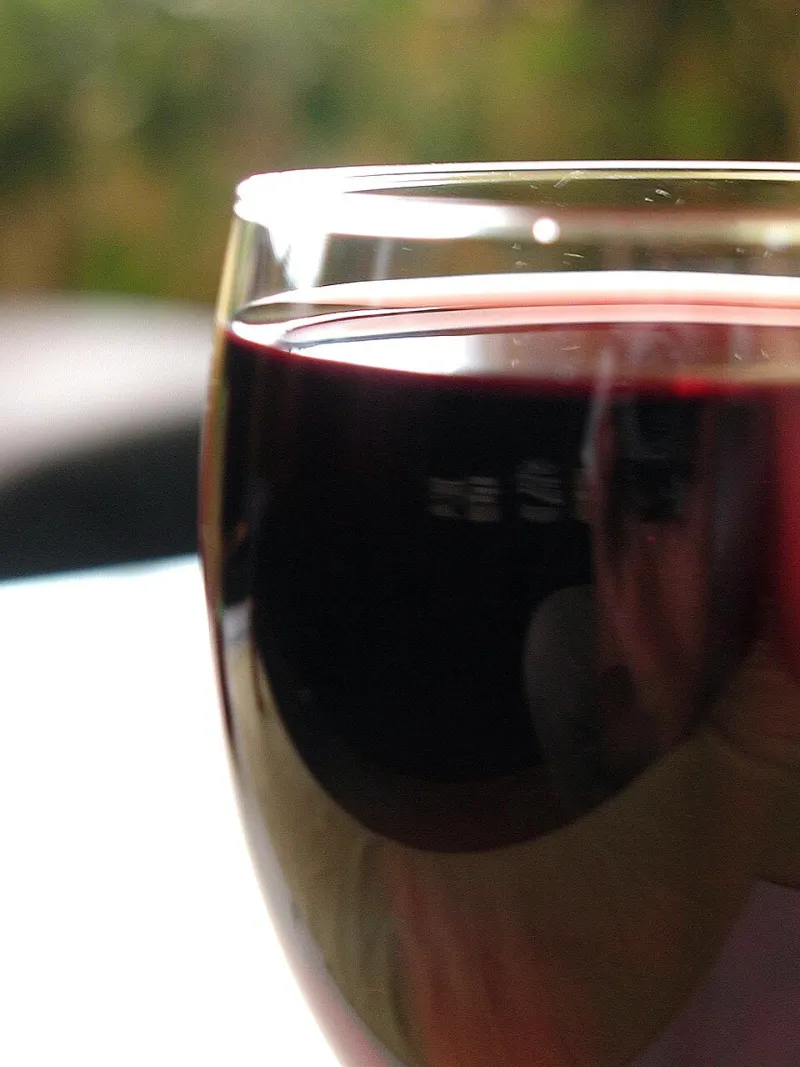
Before you bring the glass to your lips, hold it at an angle against a white background — a napkin or a sheet of paper works perfectly. Observe the color at the center and the rim. A deep ruby red that fades to garnet at the edge suggests age in a red wine. A white wine that has shifted from pale straw toward gold may have seen oak, extended aging, or both. These visual cues are not definitive conclusions; they are opening questions that the rest of the tasting will help answer.
Learning to Trust Your Nose
Aroma is where the most information lives, and it is also where most casual tasters give up too quickly. The key is to approach the glass in two stages.
First, take a brief, gentle sniff with the glass held still. This captures the most volatile aromatic compounds — the ones that escape immediately. Then swirl the wine to introduce oxygen, which releases a second, more complex wave of scent. Swirl with the glass on the table if you are concerned about spilling, then bring it to your nose and inhale slowly.
What you are looking for falls into three broad categories. Primary aromas come directly from the grape: fruit, floral notes, and herbal qualities. Secondary aromas develop during fermentation: think bread, cheese rind, or yogurt-like notes. Tertiary aromas — also called the "bouquet" — emerge from aging: vanilla, cedar, tobacco, dried fruit, or earthiness.
You do not need to identify every note precisely. The exercise is to notice, to name what you can, and to build associations over time. A Willamette Valley Pinot Noir might remind you of dried cherries and forest floor. A California Chardonnay might evoke toasted almonds and ripe pear. These associations become the vocabulary of your personal palate.
What the Palate Actually Measures
When the wine reaches your mouth, resist the urge to swallow immediately. Professionals often draw a small amount of air across the wine while it sits on the tongue — an inelegant-looking practice that releases additional aromatic compounds through the retro-nasal passage. You may choose to skip this in polite company, but the principle holds: keep the wine in contact with your palate for several seconds.
What you are evaluating at this stage is structure. Acidity makes your mouth water and gives wine its liveliness — it is the quality that makes a Sauvignon Blanc feel bright or a Riesling feel electric. Tannins, found primarily in red wines, create that drying, gripping sensation on the gums and inner cheeks. They come from grape skins, seeds, and oak, and they are what allow certain wines to age gracefully. Sweetness is straightforward but often confused with fruitiness, which is an aromatic quality rather than a sugar level. Alcohol contributes warmth and body.
The relationship between these structural elements — their balance — is what distinguishes a well-made wine from an unbalanced one. A wine with aggressive acidity and no fruit to support it feels sharp. A wine with high alcohol and low acidity can feel flat and hot. Balance is the goal, and recognizing it is a skill that develops with repetition.
The Finish and What It Tells You
After you swallow, pay attention to what remains. The finish — how long and how pleasantly the flavor lingers — is one of the clearest indicators of quality. A short finish, where sensation disappears within seconds, often signals a simpler wine. A long finish, where complexity evolves for thirty seconds or more, is a hallmark of something genuinely well-crafted.
Note whether the finish is clean or bitter, warming or astringent. These impressions complete the picture you have been assembling since you first looked at the color.
Building Your Vocabulary Without Borrowing Someone Else's
The tasting notes that appear on wine labels and in publications can feel alienating — "pencil shavings," "graphite," "wet slate" — but they are not meant to be taken as objective fact. They are one person's attempt to translate a sensory experience into language. Your translation is equally valid.
If a Cabernet Sauvignon reminds you of the leather seats in your grandmother's car rather than "saddle," that association is no less accurate. Personal reference points are how memory and recognition work. Over time, as you taste more deliberately, your private vocabulary will expand and align more closely with the shared language of wine — not because you adopted someone else's framework, but because the same compounds truly do evoke similar sensations across different palates.
Keep a simple tasting journal. A few lines per wine — appearance, aromas, structure, finish, and your overall impression — will accelerate your development more than any course or certification. The act of writing forces precision, and precision is what tasting is ultimately about.
Confidence Is the Final Ingredient
The most important shift in becoming a competent taster is not technical — it is psychological. Sommeliers are not infallible, and they do not expect you to be. What they do bring to a tasting is the willingness to commit to an observation, even provisionally, and to revise it as more information arrives.
Approach your next glass with that same spirit. Look at it, smell it, taste it, and say what you notice. You may be surprised how much you already perceive — and how much more you will begin to perceive once you give yourself permission to trust it.