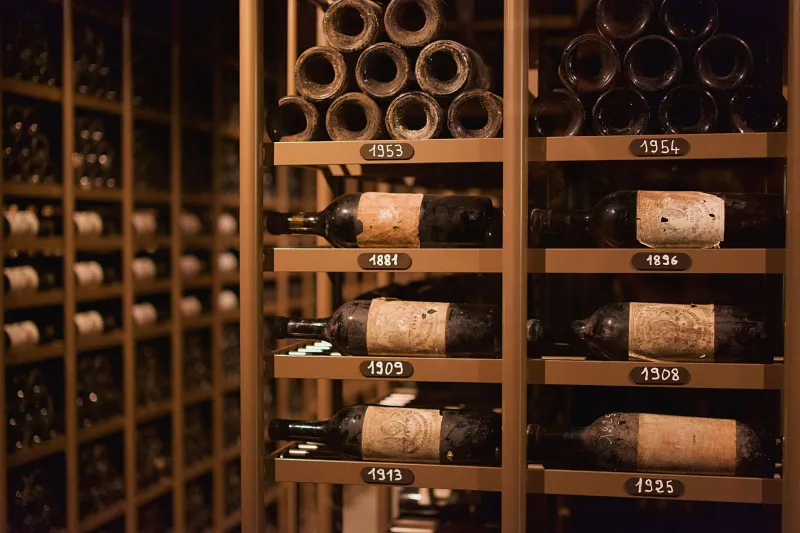
Between the List and the Heart: How Professional Wine Buyers Navigate Profit and Principle
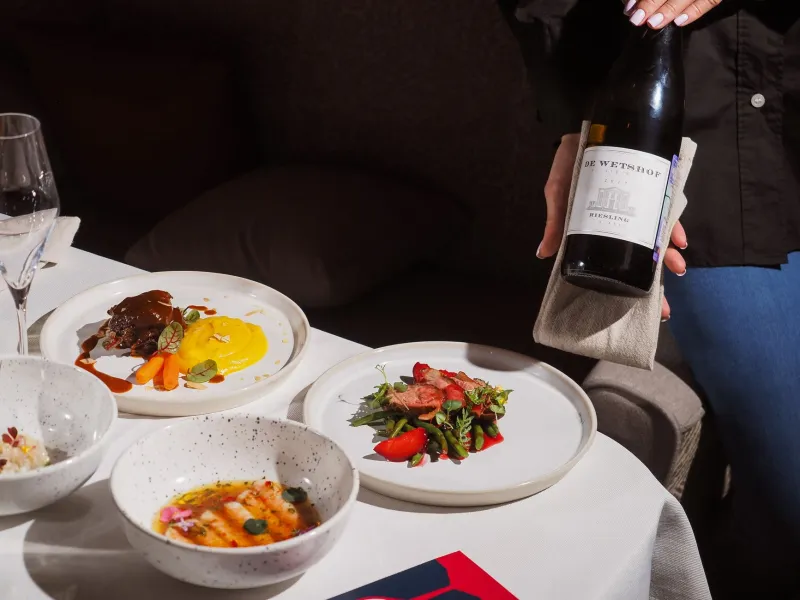
There is a quiet negotiation that takes place long before a bottle ever reaches your table. It happens in distributor showrooms, in back-office spreadsheets, and in the private deliberations of the professionals who curate what you are ultimately permitted to discover. The wine list, the retail shelf, the tasting room flight—each is the visible conclusion of decisions shaped by forces that are rarely discussed in polite company: margin targets, volume commitments, and the perpetual tension between what sells and what deserves to be sold.
For the serious wine enthusiast, understanding this tension is not an exercise in cynicism. It is, rather, an act of connoisseurship—a means of reading the room with the same attentiveness one brings to reading a glass.
The Economics Behind the List
A restaurant wine program is, at its core, a revenue center. Most establishments operate on the expectation that wine will carry a markup of two to three times the wholesale cost, with by-the-glass pours frequently approaching four to five times the bottle's landed price. Within that framework, a sommelier is not purely a tastemaker. They are, in part, a margin manager.
"The conversation I have with ownership every quarter is fundamentally about pour cost," explains one beverage director at a fine-dining establishment in Chicago, who requested anonymity to speak candidly. "I can champion a small-production Willamette Valley Pinot Noir that I believe in completely, but if it's priced at a level where the markup doesn't work, or if the guest doesn't recognize the producer, it sits. And a bottle that sits is a problem."
This arithmetic shapes list composition in ways that are not always apparent to the guest. High-recognition labels from established appellations—Napa Valley Cabernet Sauvignon, Sonoma Coast Chardonnay—tend to anchor wine lists because they require less explanation and command prices at which healthy margins remain achievable. Smaller, less familiar producers, even those of extraordinary quality, often occupy narrower sections of the list or disappear from it entirely after a slow quarter.
When Passion Fights Back
Yet the picture is not uniformly transactional. Many of the professionals who build wine programs entered the field precisely because of an authentic devotion to the subject, and that devotion does not simply evaporate under financial pressure.
A wine director at a boutique hotel in Napa Valley describes a deliberate strategy she calls "anchor and advocate." "I build the commercial core of the list with producers that guests already trust—recognizable names that will move without much persuasion. That revenue gives me the latitude to include wines I genuinely believe in, even if they require more conversation at the table. The list has to pay for itself before it can say anything meaningful."
This approach reflects a broader philosophy held by many thoughtful buyers: financial viability is not the enemy of integrity, but rather its prerequisite. A wine program that fails economically cannot champion anything at all.
For retail buyers, the calculus shifts somewhat but does not disappear. Wine shop buyers in competitive urban markets—New York, Los Angeles, San Francisco—describe similar pressures. Volume brands occupy prominent floor placement because they generate consistent turnover. Discovery wines, however meritorious, are typically sequenced to customers who have already demonstrated curiosity and a willingness to venture beyond the familiar.
The Distributor Variable
One element that consumers rarely encounter directly, but which shapes nearly every professional buying decision, is the distributor relationship. In the United States, the three-tier system—producer, distributor, retailer or restaurant—means that most wine professionals are not sourcing directly from vineyards. They are selecting from portfolios assembled and presented by distribution companies, each of which carries its own commercial incentives.
Distributors frequently offer volume incentives, promotional pricing, and placement support for wines they are motivated to move—sometimes because those wines are genuinely excellent, and sometimes because they represent an overstock position or a producer with a large marketing budget. The professional buyer must, in effect, read the distributor's pitch with the same critical eye they apply to a wine itself.
"A good distributor rep is invaluable," notes one independent wine shop owner in Austin, Texas. "They know my customers, they bring me things I wouldn't find otherwise, and they're honest about what's worth my attention. But I've been in this long enough to recognize when I'm being sold inventory management versus discovery. The tell is usually enthusiasm that doesn't quite match the wine in the glass."
What the Guest—and the Shopper—Can Learn From This
For the wine enthusiast navigating a restaurant list or a retail floor, awareness of these dynamics is genuinely useful. Several markers tend to distinguish a list or selection built around genuine curation from one assembled primarily around margin and convenience.
First, look for regional and producer diversity that extends beyond the obvious. A wine list or shop floor that ventures into Finger Lakes Riesling, Texas High Plains Tempranillo, or Virginia Petit Verdot alongside the expected California standards is one that reflects active engagement with the broader landscape of American viticulture rather than passive reliance on familiar names.
Second, pay attention to the by-the-glass program. Because pours carry the highest margins, they are also the section of a wine list where purely commercial thinking most readily dominates. A by-the-glass selection that includes at least a few producers outside the major commercial tier suggests a buyer who is using that section to advocate as well as to profit.
Third, ask questions—and notice how they are answered. A sommelier or shop associate who responds to genuine curiosity with specificity, who can articulate why a particular bottle earns its place beyond its price point, is almost certainly operating from a position of authentic engagement. Vague enthusiasm or an immediate pivot toward the most expensive option on the list tells a different story.
The Integrity of Restraint
Perhaps the most instructive perspective comes from winery owners themselves—the producers on the other side of the transaction. Several small and mid-sized American winemakers describe a consistent experience: being passed over for list placement not because their wines fail to merit inclusion, but because they cannot offer the volume commitments, marketing support, or pricing flexibility that larger producers can.
"We make about four thousand cases a year," says one winery owner in Sonoma County. "We can't compete with the placement deals that big brands offer. What we can do is be worth the conversation—be wines that a sommelier is genuinely proud to recommend because the guest comes back and asks for us by name. That's the only form of market power we have."
That dynamic—the small producer whose merit must substitute for marketing muscle—is precisely where the professional buyer's integrity becomes most consequential. When a sommelier or shop buyer makes room for that bottle despite the commercial headwinds, they are performing an act that benefits the entire ecosystem: the producer, the guest, and the broader culture of serious wine appreciation in this country.
Uncorking that story, as it were, is one of the most valuable things a knowledgeable professional can do. And for the wine enthusiast who understands what it took to get that bottle onto the list, the experience of drinking it carries an additional dimension—a quiet appreciation for the choices made on their behalf, long before the first pour.